
Do You Need Security Guards for Your Business in NYC or the Hudson Valley? We Answer Your Top Questions
Do You Need Security Guards for Your Business in New York City or the Hudson Valley?
Running a business in New York City or the Hudson Valley can be exciting. But there are real risks like shoplifting, break-ins, damaged property, or people entering without permission. Many business owners ask the same questions: Do I really need security guards? How much do they cost? Why are some so cheap? In this article, we answer these common questions in simple terms.
Question: Do I really need security guards?
Answer: It depends on your business, but for many places in NYC and the Hudson Valley, the answer is yes.
New York City still deals with shoplifting and theft from stores, even though some crime numbers have gone down in 2025 and 2026. Retail theft dropped about 13% after special police efforts, but it remains a problem in busy areas. In the Hudson Valley, many towns are quite safe with fewer thefts overall, but businesses can still face night break-ins, vandalism, or safety issues—especially stores, warehouses, hotels, restaurants, and office buildings.
Good security guards help in three important ways:
They scare away troublemakers. Bad guys look for easy targets. A trained guard in uniform makes your place look protected and harder to rob.
They act quickly if something goes wrong. They can calm arguments, call the police right away, and keep your workers and customers safe until help arrives.
They can save you money on insurance. Many insurance companies give discounts when you have professional security watching your property.
If your business stays open late at night, keeps cash or expensive goods, or sits in a busy or changing neighborhood, guards are a smart way to protect what you worked hard to build.
Question: How much do security guards cost in NYC and the Hudson Valley?
Answer: Good unarmed guards usually cost between $30 and $45 per hour in New York City. In the Hudson Valley, the prices are slightly lower. Armed guards cost more—usually $45 to $80 per hour in NYC.
For one guard working full time (about 40 hours a week), you might pay roughly $4,300 to $7,800 a month in NYC. These prices include important things like proper state training, insurance, background checks, and a supervisor who checks on the guards.
It may sound like a big expense. But compare it to the cost of one major theft, a hurt employee, a lawsuit, or higher insurance bills after an incident. A reliable guard can prevent those expensive problems and give you peace of mind.
Question: Why do some companies charge way less money?
Answer: Cheap companies cut corners to keep their prices low.
New York State has strict rules for security guards. Every guard must:
Be at least 18 years old
Pass fingerprinting and a background check
Finish an 8-hour basic training class before starting
Complete 16 more hours of on-the-job training
Take 8 hours of extra training every year to keep their license
Good companies pay for all this training, hire better people, and make sure someone checks on the guards regularly. Low-price companies often skip steps or do the minimum. They pay guards very low wages, rush the training, and do not supervise well. You might save a little money at first, but you take on more risk for your business, your staff, and your customers.
Question: What goes wrong when you hire the cheapest security guards?
Answer: Cheap guards are often the ones who fail when things get tough. Here is what happens too often:
They fall asleep on the job. Low pay and long, hard hours make guards tired and unhappy. They may doze off during quiet night shifts—exactly when your business needs protection the most. This is a common complaint with underpaid security teams.
They do not handle stressful situations well. If an angry person tries to break in, a fight starts, or there is a medical emergency, poorly trained or unmotivated guards may freeze, leave their post, or do the wrong thing. Real stories from New York buildings show guards walking away or not stepping in to help.
They change jobs all the time. Low-pay security jobs have very high turnover—sometimes 200% or more each year. That means new guards keep coming and going. The new ones do not know your building, your rules, or your team well.
They do not keep good records. Cheap companies may give messy notes or no real reports. If you need to file an insurance claim or go to court, those poor records can hurt your case.
In the end, you pay less now but much more later—from lost merchandise, damage, lawsuits, a bad reputation, or bigger insurance costs. Good guards cost more because they are trained, supervised, and ready to do the job right.
Question: How do I pick a security company I can trust?
Answer: Do not just pick the lowest price. Ask these important questions:
Are all guards fully licensed and up-to-date with New York State rules?
How often does a supervisor visit the guards at the site?
Do you run full background checks and drug tests on every guard?
Do you give extra training beyond the state minimum?
Can you share names of other businesses like mine in NYC or the Hudson Valley that use your service?
Can you quickly send a replacement guard if someone gets sick or does not show up?
A trustworthy company acts like a real partner. They learn about your specific business risks and create a plan that fits your needs—not just a one-size-fits-all service.
The Bottom Line
Security guards are not just an extra cost. They are like smart insurance for your business in New York City and the Hudson Valley. The right guards stop problems before they happen, respond fast when needed, and help everyone feel safer.
Cheap guards too often bring headaches, gaps in protection, and bigger problems down the road.
If you are asking these questions, you are already thinking like a careful business owner. The next step is easy: Talk with a licensed, experienced security company. Get an honest review of your risks instead of just the cheapest quote.
Your business, your workers, and your customers deserve protection that really works when it matters most. Taking the time to choose wisely can save you time, money, and stress in the long run.
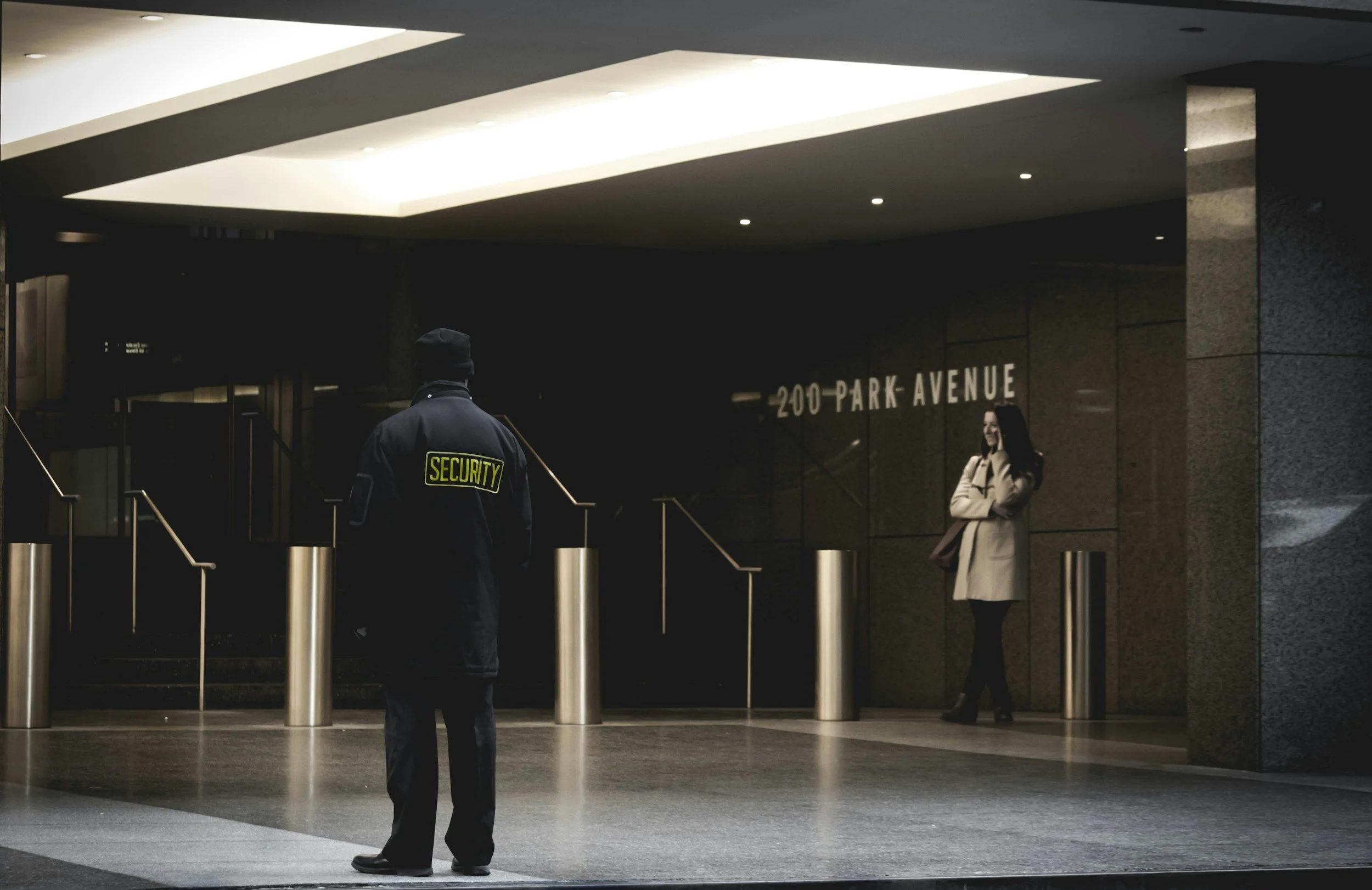
Many businesses need security, but not all. For many, the key determining factor means balancing risk with cost.